Indications of LSCS: A Compassionate Guide to Why a C-Section May Be Needed
Embarking on the journey to motherhood is a beautiful and exciting time, but it can also come with many questions and uncertainties. One topic that often causes anxiety is the possibility of a Cesarean section. Understanding the medical reasons for a Lower Segment Cesarean Section (LSCS) in simple terms can help you feel informed, reassured, and empowered on your path to welcoming your baby.
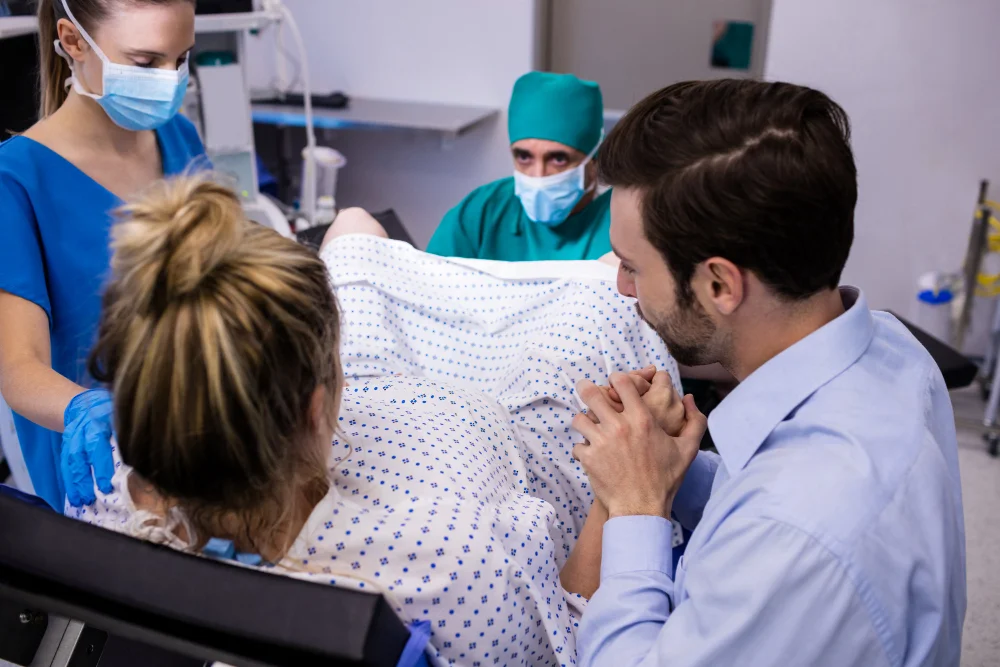
The term LSCS might sound technical, but it simply means Lower Segment Cesarean Section. It is a common and safe surgical procedure used to deliver a baby through an incision in the mother’s abdomen and uterus. The single most important goal of an LSCS is to ensure a safe delivery for both you and your baby. This procedure can either be planned ahead of time, known as an elective C-section, or become necessary during labor, which is called an emergency C-section.
Understanding the Difference: Elective vs. Emergency LSCS
An elective LSCS is scheduled in advance due to known medical reasons that might make a vaginal delivery risky. In contrast, an emergency LSCS is an unplanned procedure that becomes the safest option due to unforeseen challenges that arise during labor. It’s important to remember that whether planned or unplanned, both types of C-sections are performed with your and your baby’s health and safety as the absolute top priority.
Common Medical Indications for a C-Section
A doctor will only recommend an LSCS when a vaginal delivery could pose a significant risk to the mother or the baby. These reasons, or “indications,” are never taken lightly and are based on careful medical evaluation. We can group these indications by whether they are related to the mother’s health, the baby’s condition, or challenges that come up during the labor process itself.
Reasons Related to the Mother’s Health (Maternal Indications)
Previous C-Section: If you’ve had a C-section before, the scar on your uterus can be a factor in deciding the safest way to deliver your next baby.
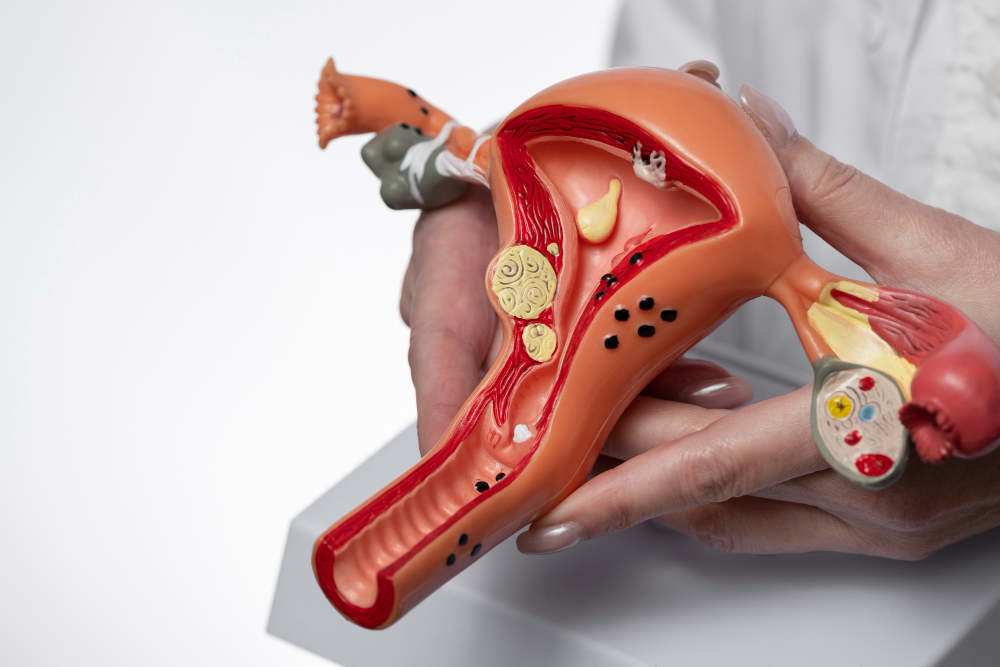
Placenta Previa: This is a condition where the placenta is positioned low in the uterus, partially or completely blocking the cervix (the birth canal).
Certain Medical Conditions: Pre-existing health issues in the mother, such as severe pre-eclampsia, active herpes infection, or some heart conditions, can make the stress of labor unsafe.
Cephalopelvic Disproportion (CPD): This occurs when there is a mismatch between the size of the baby’s head and the mother’s pelvis, making it difficult or impossible for the baby to pass through safely.
Reasons Related to the Baby’s Position or Well-being (Fetal Indications)
Breech or Transverse Position: Ideally, a baby is positioned head-down for delivery. If the baby is in a feet-first (breech) or sideways (transverse) position, a C-section is often the safest option.
Fetal Distress: During labor, if monitoring shows that the baby is not tolerating contractions well and is showing signs of distress (like a significant change in heart rate), an immediate C-section may be needed.
Multiple Pregnancies: While twins can sometimes be delivered vaginally, the position of the babies or other factors can make a C-section the safer choice for delivering twins, triplets, or more.
Cord Prolapse: This is a rare but serious emergency where the umbilical cord slips down through the cervix ahead of the baby, which can cut off the baby’s oxygen supply.
Reasons That Arise During Labor
Failure to Progress: Sometimes, labor stalls. The cervix may stop dilating or the baby may stop moving down the birth canal despite strong and regular contractions.
Prolonged Labor: When labor goes on for too long, it can lead to exhaustion for the mother and potential complications for both mother and baby.
In these situations, the decision to proceed with a C-section is made carefully and thoughtfully to prevent complications and ensure a healthy outcome.
Your Health Journey: How We Make the Decision Together
A recommendation for an LSCS is never a decision made in isolation. It is based on a thorough and continuous evaluation of your health and your baby’s well-being. As your healthcare partners, we are committed to discussing all the potential risks and benefits with you and your family, ensuring you are a central part of the decision-making process. Your questions, concerns, and feelings are always heard and respected. The final decision is a partnership focused on one shared goal: a safe delivery and a healthy baby.
Preparing for an LSCS: What to Expect
If an LSCS is recommended, we will guide you through every step. This includes a brief overview of the surgical preparation, a discussion about anesthesia options (like an epidural or spinal block) to ensure your comfort, and what you can expect in the moments immediately after your baby is born. We are here to provide clarity and support. Feeling anxious or having more questions is completely normal. Book a consultation to discuss your personal birth plan and concerns in a calm, supportive environment.
Services
Explore Our Expert Women’s Health Services in Thane
Normal Delivery, Normal Painless Delivery & C Section
High Risk Pregnancy & Ectopic Pregnancy
Fibroid, Endometriosis And Adenomyosis
What We DO
Frequently Asked Questions
Yes, a C-section is considered major abdominal surgery. However, it is one of the most commonly performed surgeries in the world and is very safe when done by a skilled obstetrician.
In many cases, yes. A Vaginal Birth After Cesarean (VBAC) can be a safe option for many women. The decision depends on the reason for your first C-section and your current pregnancy’s health. This is a discussion you should have with your doctor.
Full recovery typically takes about six to eight weeks. The first few days are spent in the hospital, and you will be encouraged to move around gently to aid healing. We will provide detailed guidance on caring for yourself during your recovery journey.
Absolutely. While it might take a little extra effort to find comfortable positions initially, most mothers can breastfeed successfully after a C-section. Hospital staff and lactation consultants are there to help you get started.
Not at all. A C-section is not a reflection of failure or anything you did or didn’t do. It is a medical necessity chosen to protect the health and life of you and your baby. The way a baby is born does not define your strength or success as a mother.
Your birthing experience is a unique and personal journey. Whether your baby arrives via vaginal delivery or a Cesarean section, the most important outcome is a healthy baby and a healthy mother. Understanding why an LSCS may be needed can help transform fear into confidence, allowing you to focus on the joy of meeting your new little one. Have questions about your delivery? Book a compassionate consultation with Dr. Sanjivani Patil in Thane. We are here to support you every step of the way.